
Real-time emissions intelligence for a cleaner Ghana.
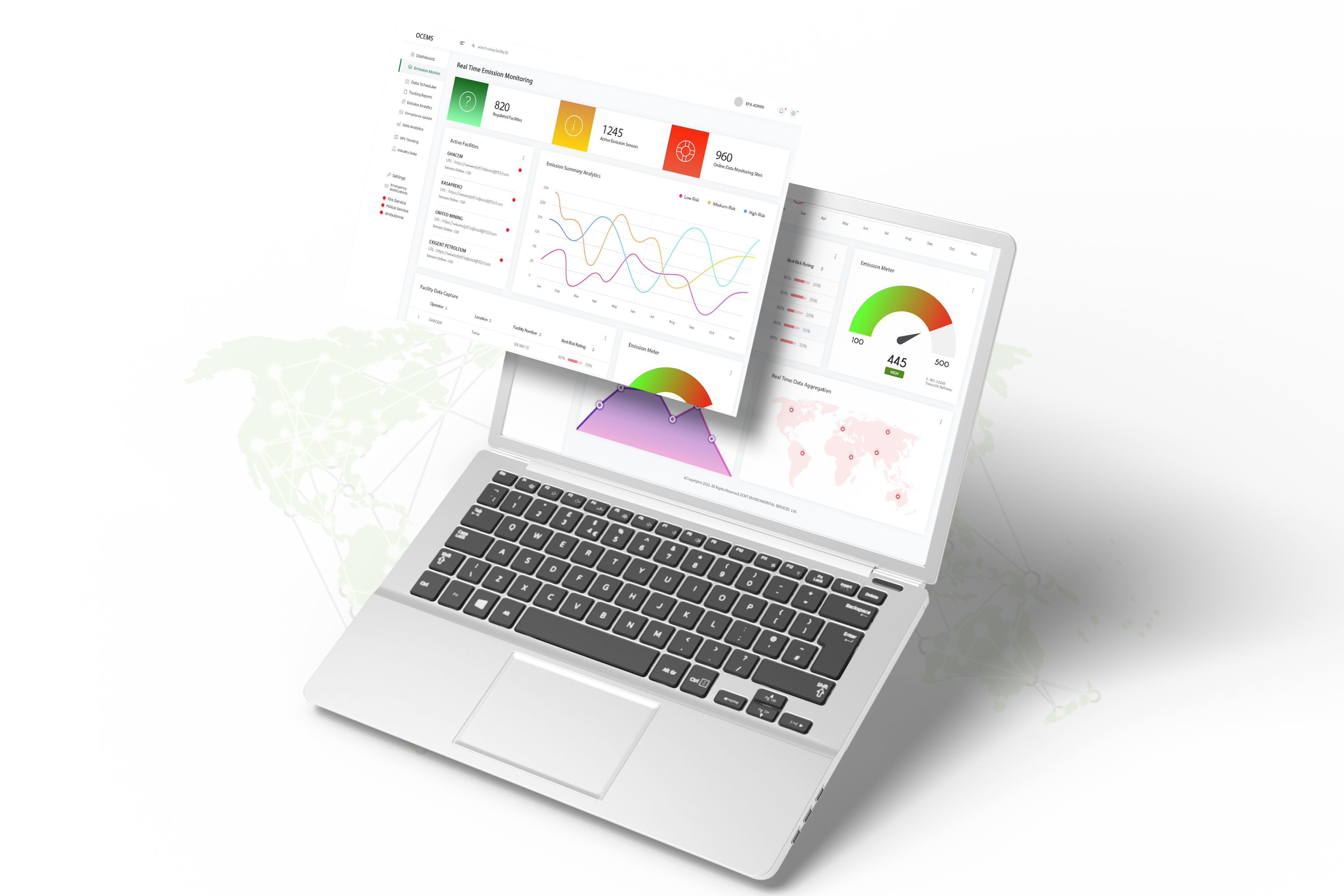
GOCEMS takes stack and ambient readings as they happen, checks them against the limits that apply to each facility, and keeps a record you can hand to a regulator.
Built for every monitoring job
Solutions for the stack, the fence line and the audit room configured for how Ghana's plants actually run.
Tema to Tarkwa, on one picture of the air.
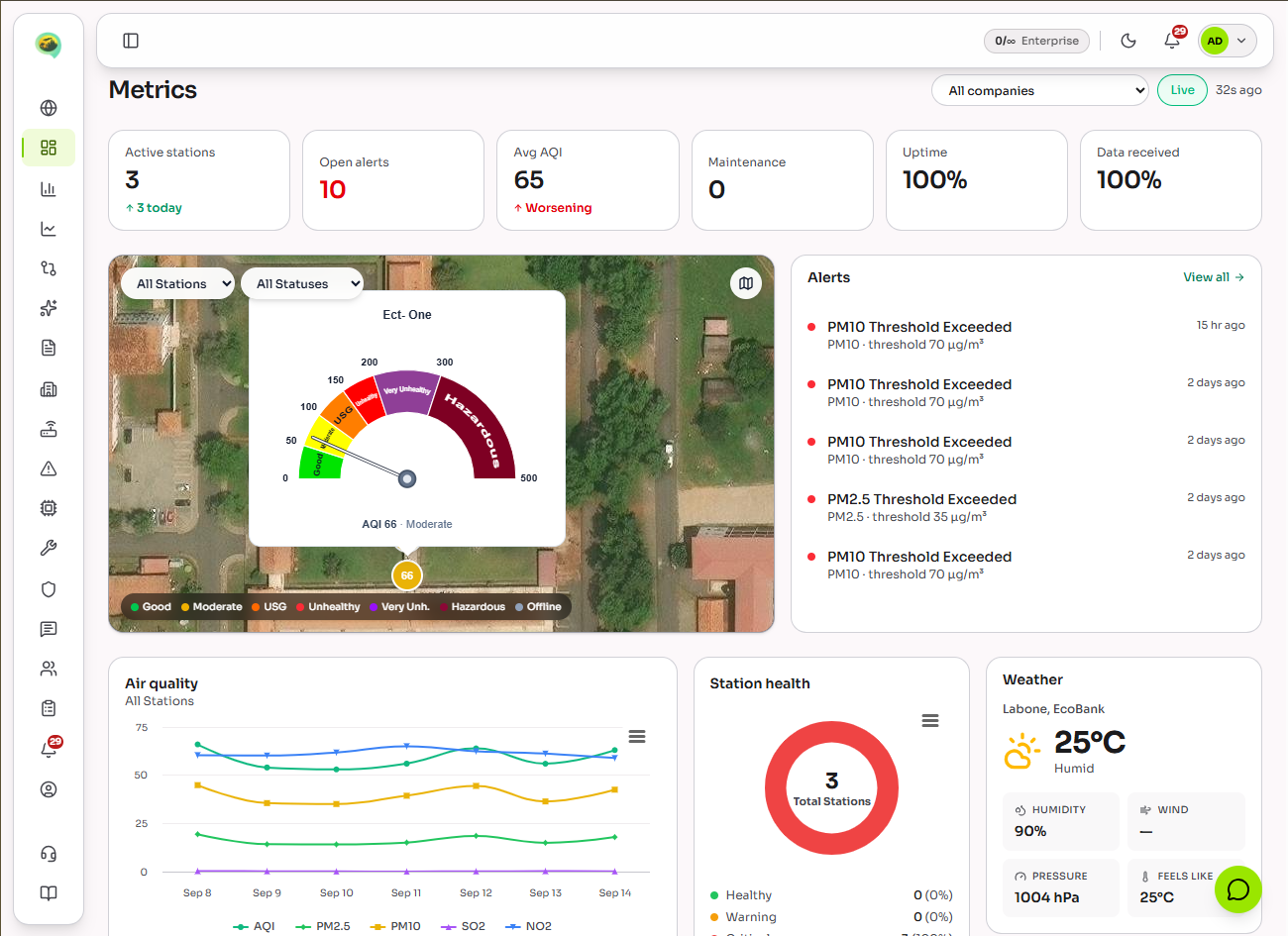
The same field station sits on the coastal belt, the gold fields and the northern air nodes so operators, environmental teams and regulators read one live network.

Built for the people who have to sign the numbers
One validated record for the control room, the environmental team, and the regulator — not three spreadsheets that disagree.
Minutes, not audit season
Exceedances are flagged as they form, with the averaging period and the stack already attached.
The same number everywhere
Operations, EHS and the regulator draw from one validated record, not three spreadsheets.
Instruments behind the chart
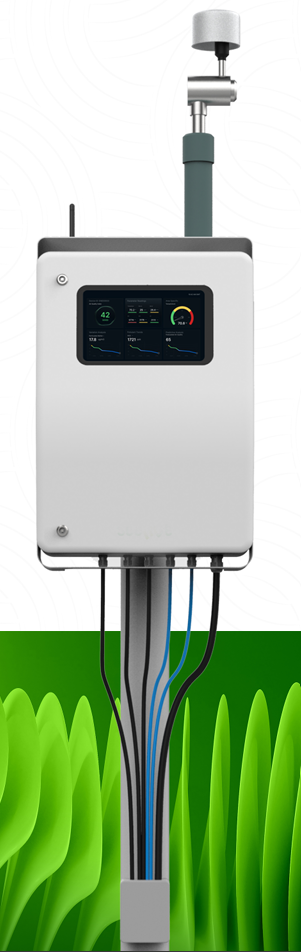
Calibration state and data availability travel with every reading, so a gap never looks like a zero.
From the probe to a signed report
Every reading follows the same path. If a step fails (calibration overdue, logger offline, packet missing) the gap is visible. It never becomes a quiet zero.
The plant
Stacks, kilns, boilers and flares: the points that actually emit.
Analyzers
CEMS probes and opacity meters take the sample at the duct.
The logger
A local logger buffers readings so a dropped link does not erase an hour.
Ingest
Encrypted delivery into GOCEMS, tagged to the facility and the stack.
Validation
Averaging, normalisation, and a check against the limit that applies.
The record
Alerts go out. The signed report is the same series the operator saw live.
Watch the hour. Understand the period.
Live readings, maps and alerts are the operational core. GOCEMS AI sits beside them and writes a report when a team needs the story, not only the chart.
Emissions analysis
Whether pollutants such as PM2.5, NO₂, SO₂ and CO₂ stayed within configured limits, and how they moved over time.
Device performance
Scores a sensor’s health (uptime, data quality, calibration) so technicians know what to trust and what to service.
Sensor anomaly
Looks for spikes, drift and false alarms, then ranks what to investigate first.
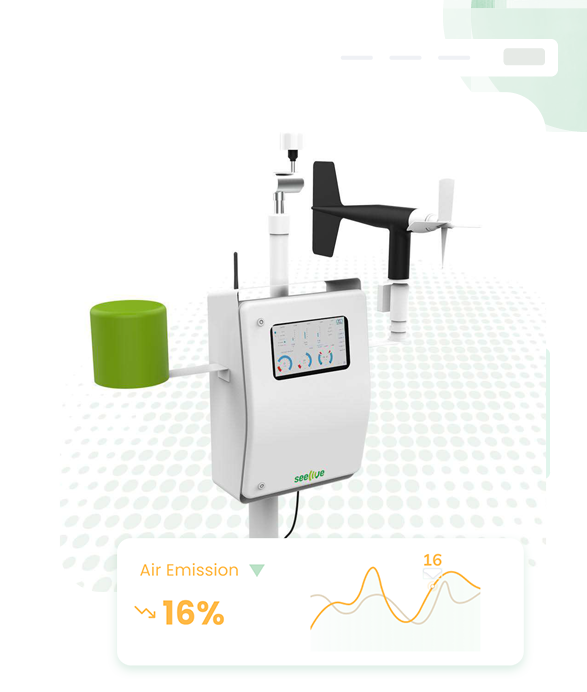
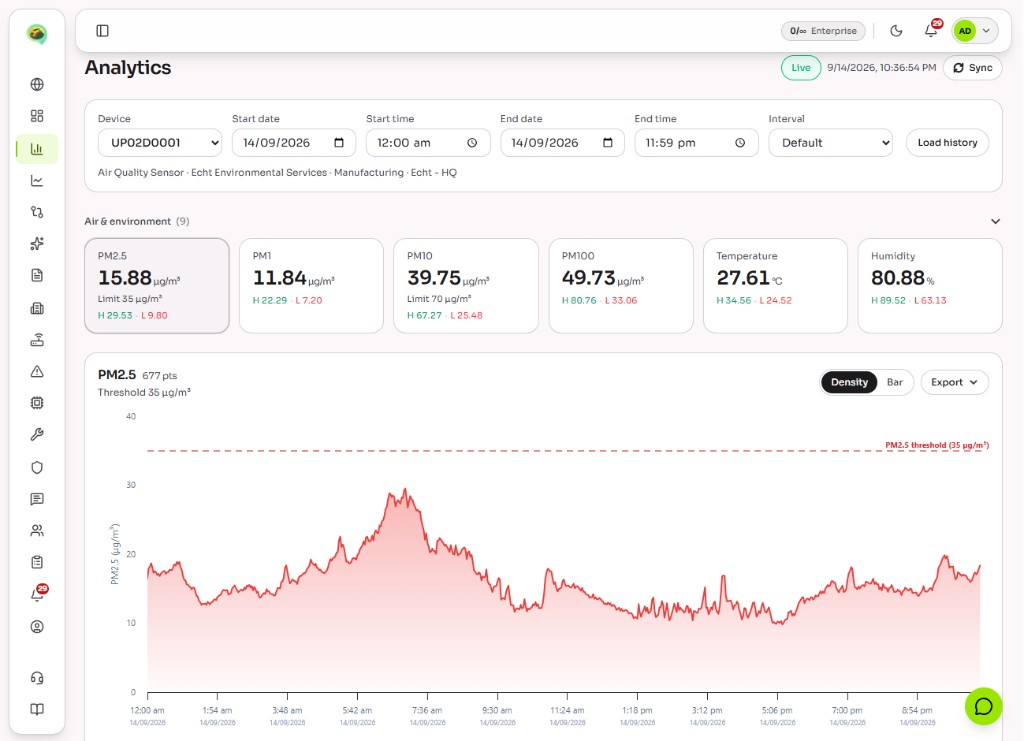
One picture operators and regulators both trust
The same validated series feeds the control-room view, the compliance pack and the period report. What you see live is what gets signed.
Configured for how Ghana actually emits
Kiln lines, thermal plants, dryers and flares are not the same instrument problem. Sector templates set the measurement points and the report shape.
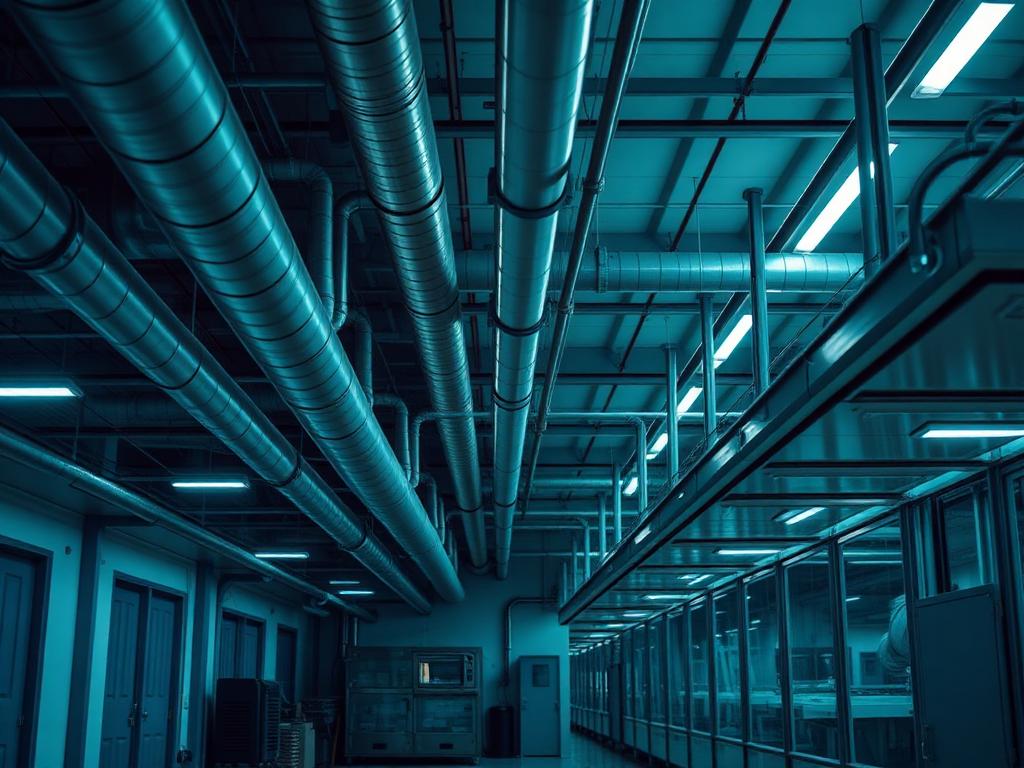
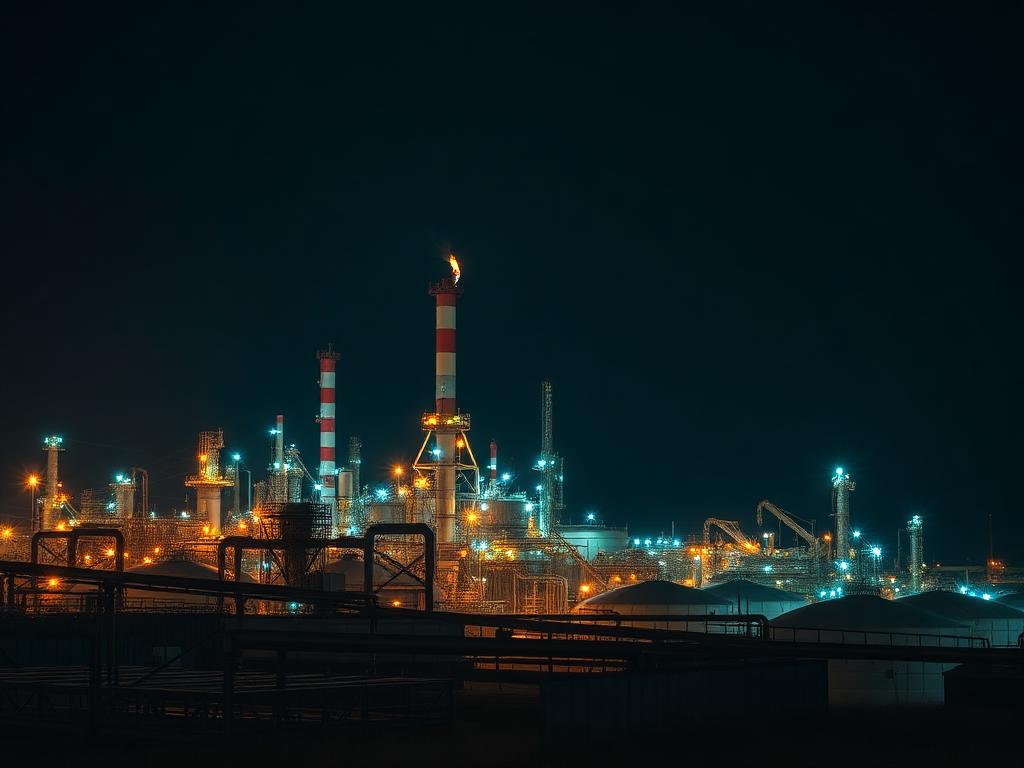
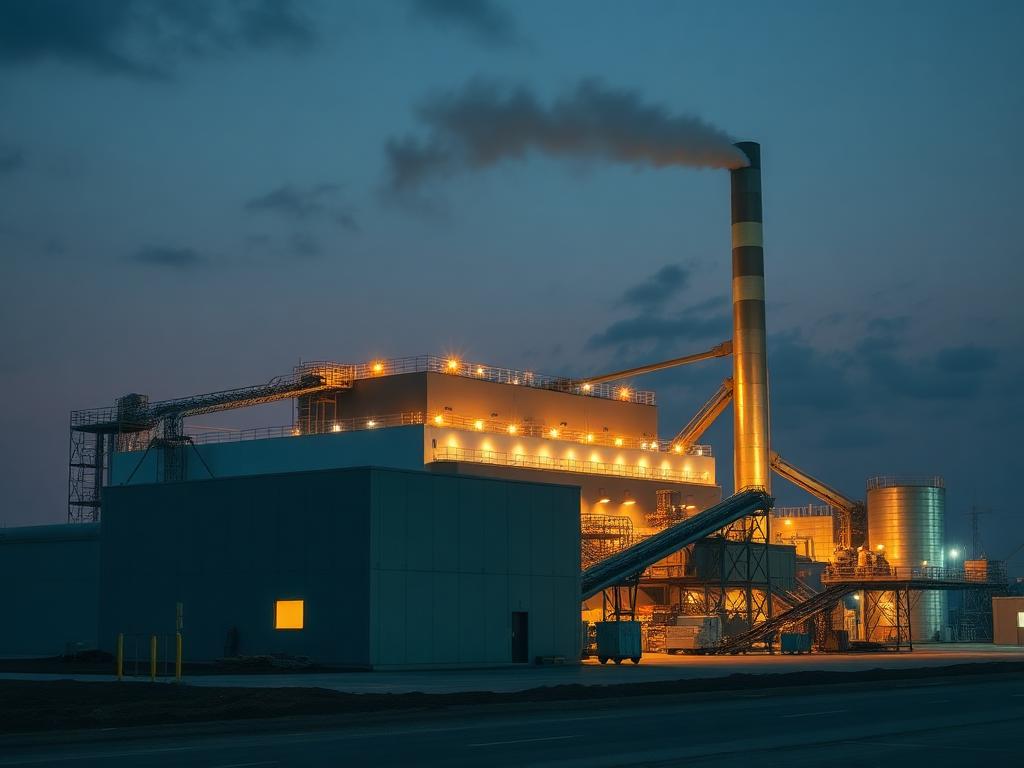

Know the limit before the audit does
Thresholds, averaging windows and exceedance history travel with every reading. Compliance evidence is a download, not a reconstruction project.
- Limits and averaging windows sit on the same record as the measurement.
- Exceedances are flagged as they form, not reconstructed at audit season.
- The signed report is the series operations already saw live.
Thinking, research and news
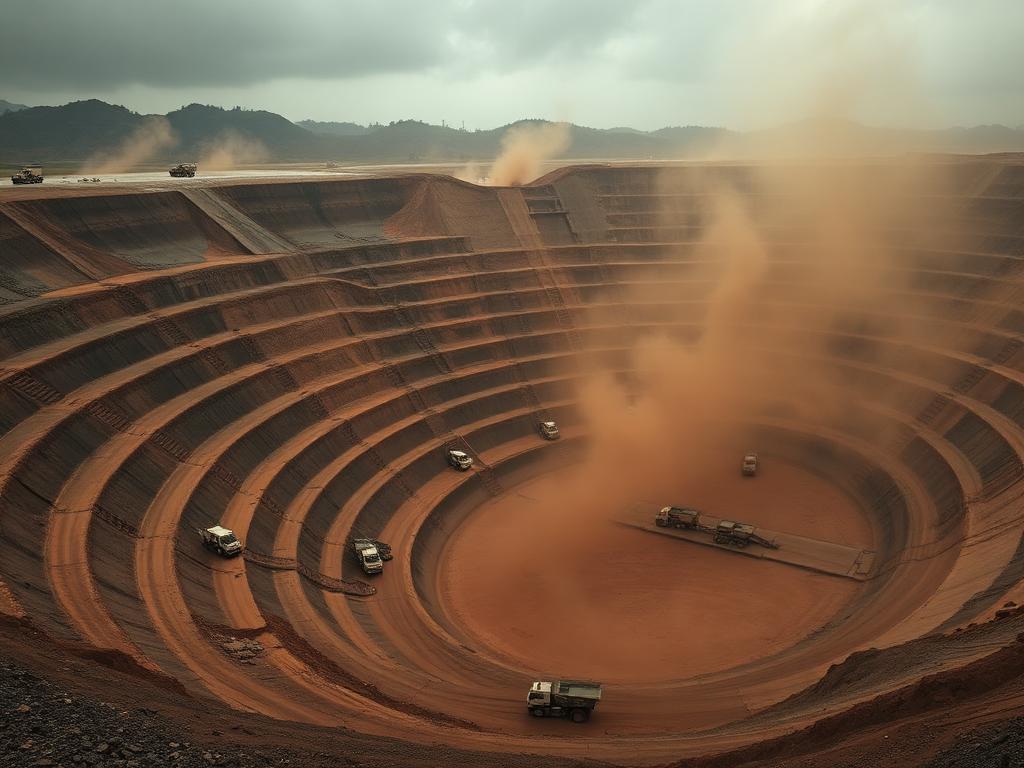 Blog
BlogHow real-time stack data protects workers and communities at the same time
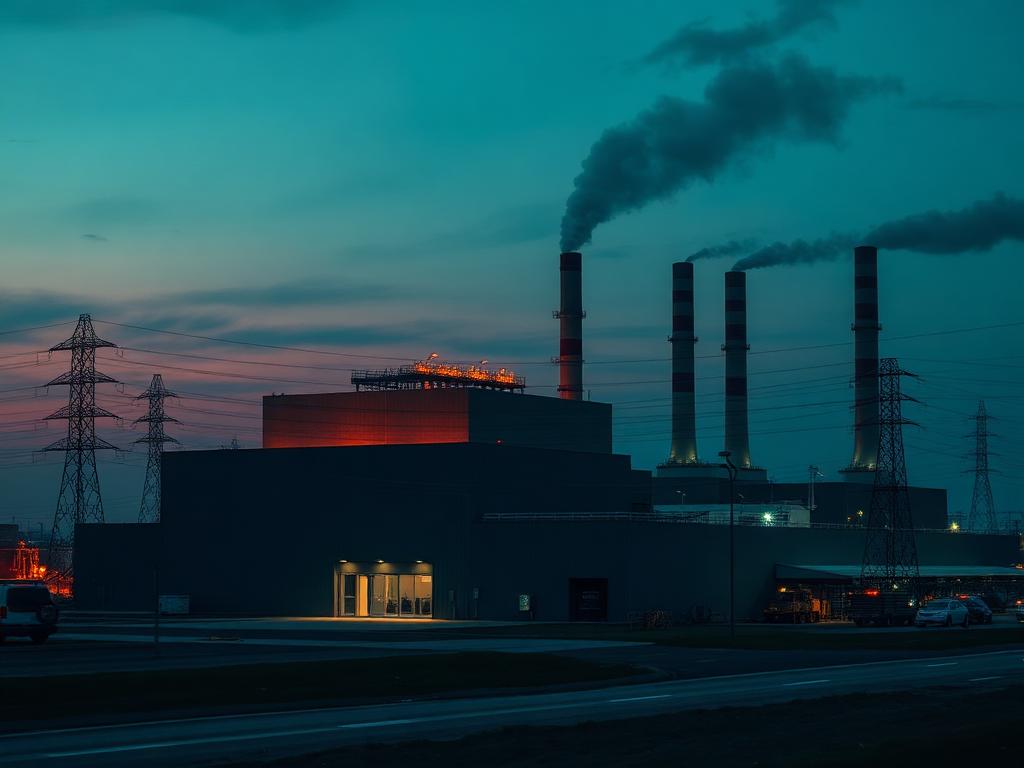 Insight
Data availability: the metric behind every credible report
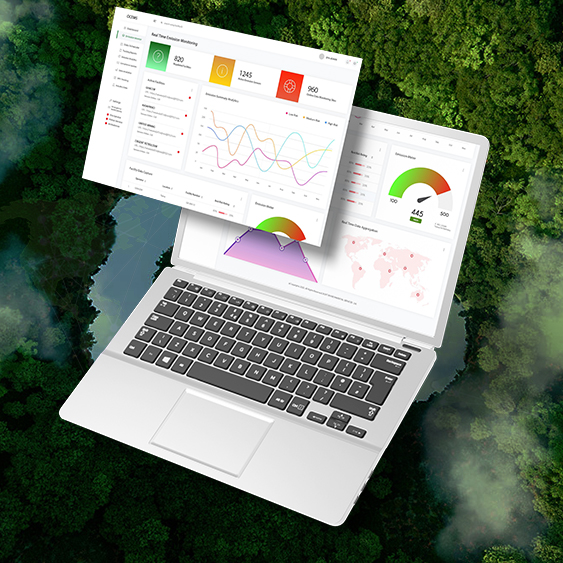 Research
How weather and load forecasts change kiln, flare and blast management
 Insight
Using opacity and dust readings to cut the water cost of mitigation
BlogManaging fence-line emissions near homes: trust, uptime and the signed record
Questions operators ask
Plain answers on how GOCEMS works for plants, environmental teams and the EPA.
What is GOCEMS?
GOCEMS is the Ghana Online Continuous Emissions Monitoring System: a national platform that takes stack, effluent and ambient readings as they happen, checks them against the limits that apply to each facility, and keeps a signed record for operators and the EPA.
Who owns GOCEMS?
GOCEMS is delivered through a public–private partnership with ECHT Environmental Services Ltd, with United Platform Solutions as the technology partner. Ghana’s Environmental Protection Authority oversees the national programme and permit conditions.
Is participation compulsory for industries in Ghana?
Yes. At the national launch in July 2025, the EPA stated that participation is compulsory for industries operating in Ghana. Permit conditions under the Environmental Assessment Regulations keep monitoring inside the licence.
Which pollutants and sources does GOCEMS cover?
The brief covers air emissions (including SO₂, NOₓ, CO, PM and opacity), effluent and ambient noise. Analyzers sit at the source; a data acquisition system validates and stores readings; the EPA portal holds the national record.
How does GOCEMS help with EPA compliance?
Limits, averaging windows and exceedance history travel with every reading. Alerts fire as an exceedance forms, and the signed report is the same validated series the control room already saw, not a reconstruction from spreadsheets.
What is GOCEMS AI?
GOCEMS AI sits beside live monitoring. When a team needs to understand a period, they choose a device, a date range and the pollutants that matter. GOCEMS then writes a report (summary, ranked insights and recommended actions) that EHS, operations and leadership can read in one sitting.
How do we onboard a plant?
Write to the Accra team with the site, instruments and reporting calendar. A walkthrough maps stacks, averaging periods, who gets the alert, and what the signed pack looks like. Replies go out within two working days.
Bring your own stacks, limits and reporting calendar.
A walkthrough maps your site onto GOCEMS: instruments, averaging periods, who gets the alert, and what the signed report looks like.