How weather and load forecasts change kiln, flare and blast management
Averaging windows only mean something if you know what the plant and the weather were doing at the time.
28 July 2026 · 7 min read · Operations
The average is not the event
Permit limits in Ghana are applied to an averaging window (a half-hour, an hour, a day), not to a single analyser tick. That is correct. It is also incomplete if the window is stored without the operating context that produced it. A kiln on alternative fuel, a flare in upset, a thermal unit coming off peaking: each writes a different stack signature into the same clock.
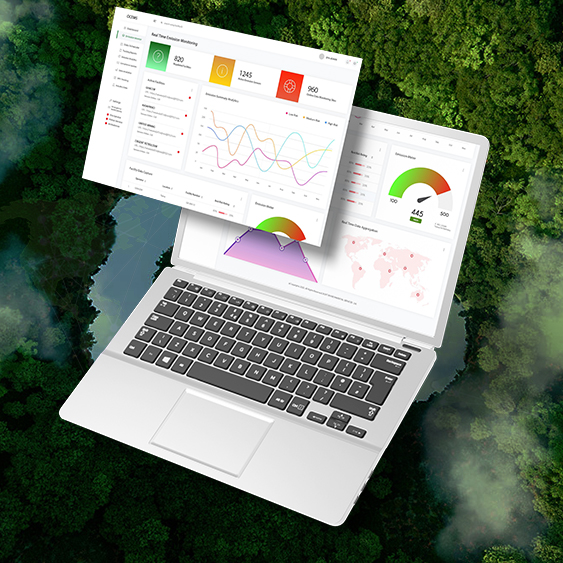
GOCEMS keeps load and operating regime beside the validated average. When an exceedance fires, the alert already has the stack, the period and the limit. Investigation starts from what the plant was doing, not from a later narrative.
Kilns, fuels and the day
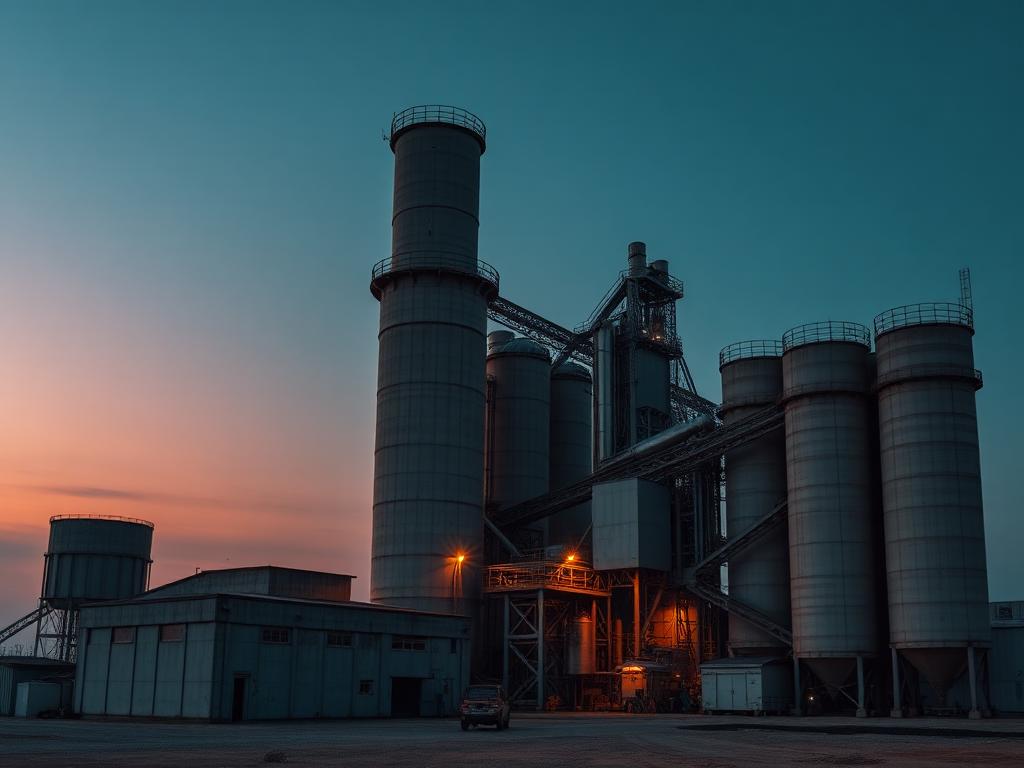
Cement kilns run hot, dirty and continuous. Clinker coolers, bag filters and fuel switches change SO₂ and NOₓ through the day. A periodic stack test cannot characterise that. Continuous CEMS can, but only if alternative-fuel switches and filter health are allowed to sit next to the emission number instead of in a separate maintenance log.
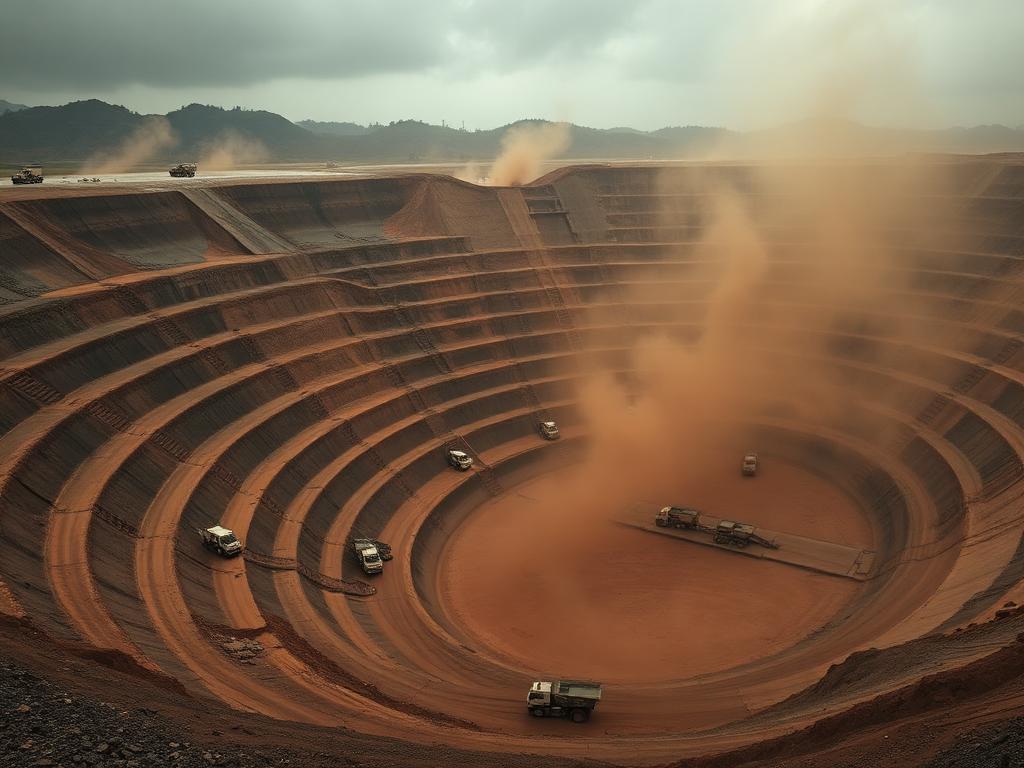
Weather matters at the fence line more than at the duct. Dispersion, not just generation, decides what a community measures. Ambient stations and meteorological context belong with the kiln series so a high boundary PM hour can be read against both the stack and the wind, not against a guess.
Flares and thermal regimes
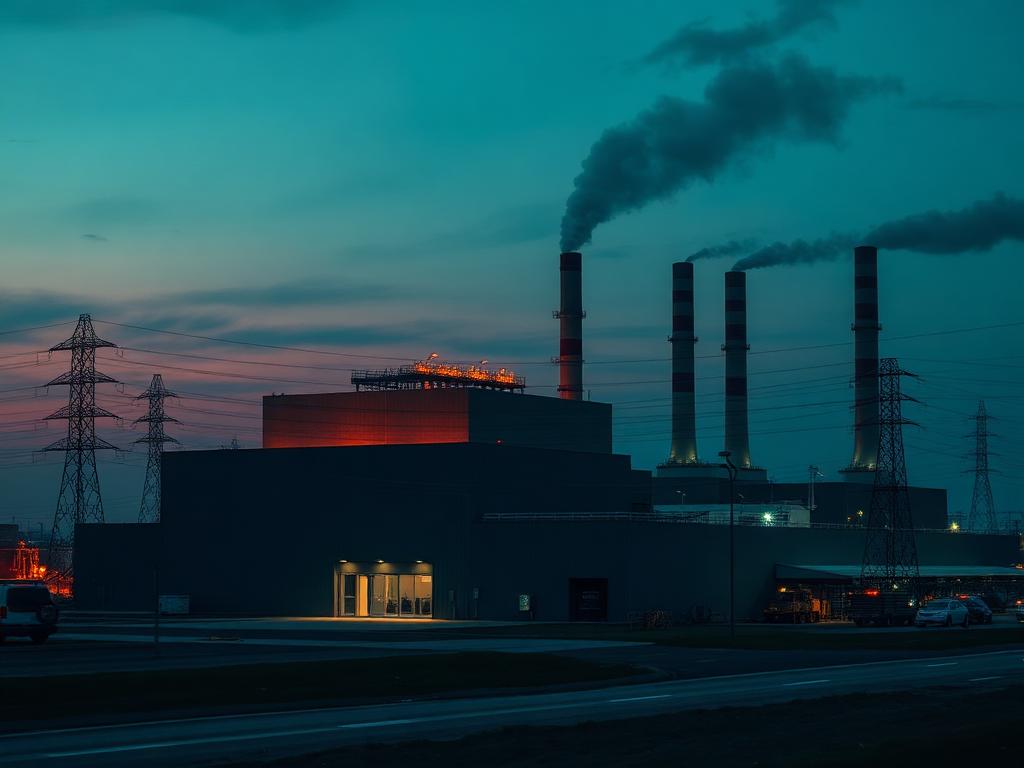
Flares that look compliant in a planned test can look very different during an upset. Terminal heaters, tanks and loading add sources that a single annual campaign will never see together. Continuous oversight is useful only if incident files can attach the same series operations already watched.
Thermal generation does not emit at one load. Start-up, baseload, peaking and dual-fuel operation each need to remain in the series. Availability must stay honest through those regimes: a calibration window is excluded, a dropped logger is a gap, and neither is painted as a clean hour.
Forecasts are context, not a substitute for the record
Load forecasts and weather forecasts help a plant decide when to switch fuel, delay a blast, or run suppression harder. They do not replace the signed series. GOCEMS is the record of what was measured, against the limit that applied, with instrument state attached. Forecasts can inform the shift. They must not be allowed to rewrite the hour after the fact.
Further reading
Bring your own stacks, limits and reporting calendar.
A walkthrough maps your site onto GOCEMS: instruments, averaging periods, who gets the alert, and what the signed report looks like.