How real-time stack data protects workers and communities at the same time
Periodic stack tests capture a few hours a year. Continuous monitoring captures the other 8,000, including the hours that matter most.
18 August 2026 · 6 min read · Monitoring
A test day is not a year
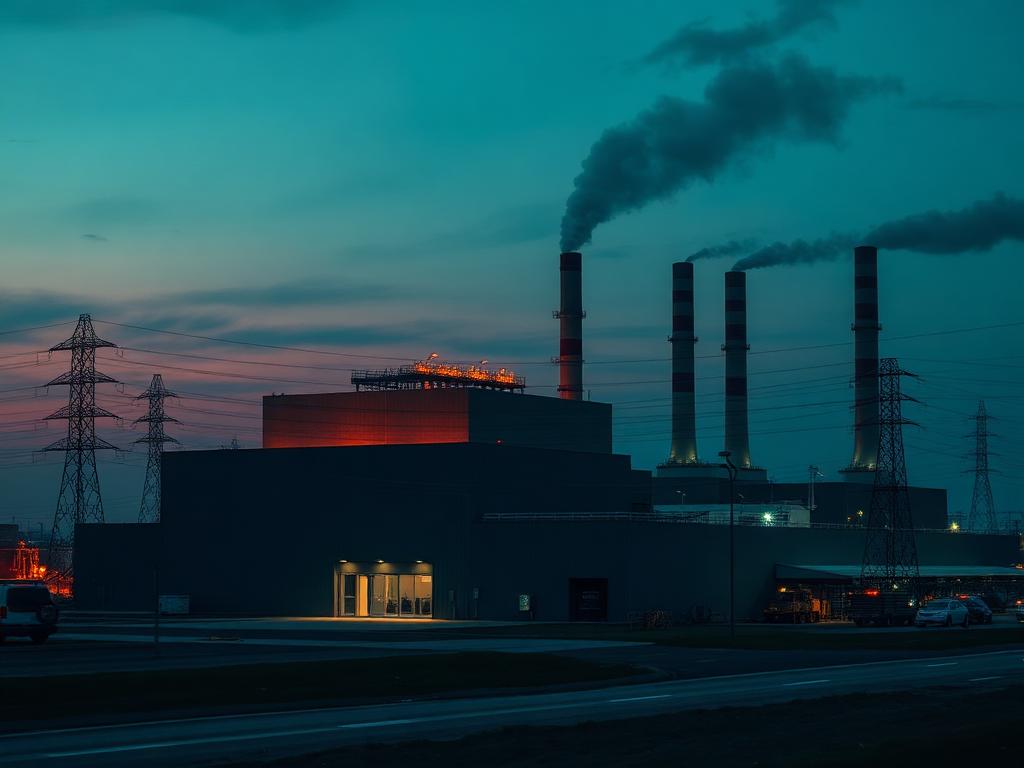
Most Ghanaian plants still know their stack from a handful of scheduled tests. A probe goes in, a laboratory sheet comes back, and the year is treated as represented. The hours that never make the test (start-up, a fuel switch, a baghouse that drifted, a night shift running harder than the audit visit) are simply not in the file.
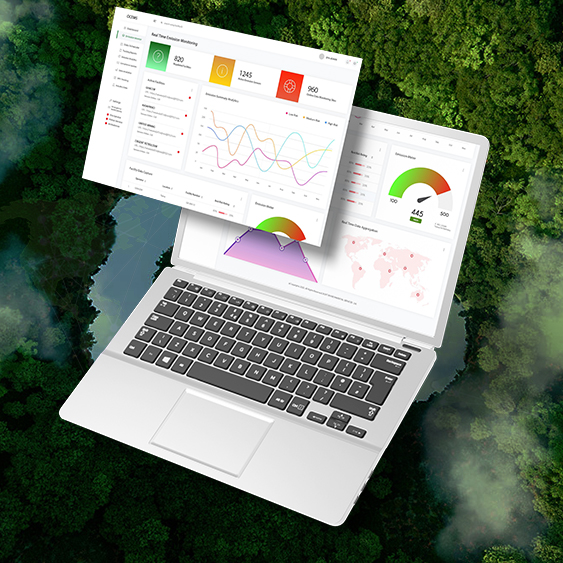
Continuous emissions monitoring closes that gap. Analyzers at the duct sample SO₂, NOₓ, CO, particulate and opacity as the plant actually runs. GOCEMS validates each interval, applies the averaging window the permit requires, and keeps one series for the control room and the EPA. The same number that protects the people on the floor is the number the community and the regulator can later read.
Workers see the hour they are in
Occupational exposure and stack compliance used to live in different programmes. A high NOₓ hour was an environmental issue; a dusty shift was an HSE issue. They are the same chemistry leaving the same duct.
When the shift dashboard shows a rising average against the limit that applies, the response can start while the line is still running (reduce load, check the fuel, inspect the filter) instead of reconstructing the episode from memory at the next medical or environmental review. Calibration state and data availability sit beside the reading, so a gap is not mistaken for a clean hour.
Communities need the fence line in the same file
What leaves the stack is not always what arrives at the houses. Wind, load and site layout decide that. Fence-line PM and ambient stations belong in the same facility model as the kiln or dryer they sit downwind of, so a complaint and a stack series can be compared without assembling two spreadsheets that were never meant to meet.
GOCEMS keeps stack CEMS and boundary readings together. Operators, environmental teams and the EPA draw from one validated record. Public-facing reporting, when a site needs it, is that same series, not a sanitised copy.
The signed report is the live series
The reason continuous monitoring protects both groups at once is boring, and that is the point. There is one path from the probe to the signed pack. If a logger drops, the gap is visible. If an average crosses the limit, the alert already carries the stack and the period. Nobody has to choose between a worker-facing number and a regulator-facing number. They are the same hour.
Further reading

Bring your own stacks, limits and reporting calendar.
A walkthrough maps your site onto GOCEMS: instruments, averaging periods, who gets the alert, and what the signed report looks like.