

Stack-level measurement you can defend in an audit
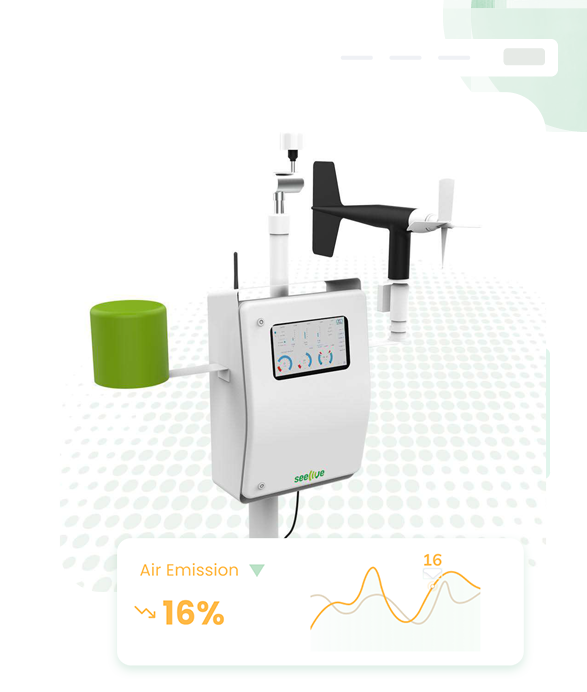
GOCEMS ingests readings from CEMS analyzers at the duct, applies the correct averaging period, and keeps the same series for operations and the signed report.
Built for every monitoring job
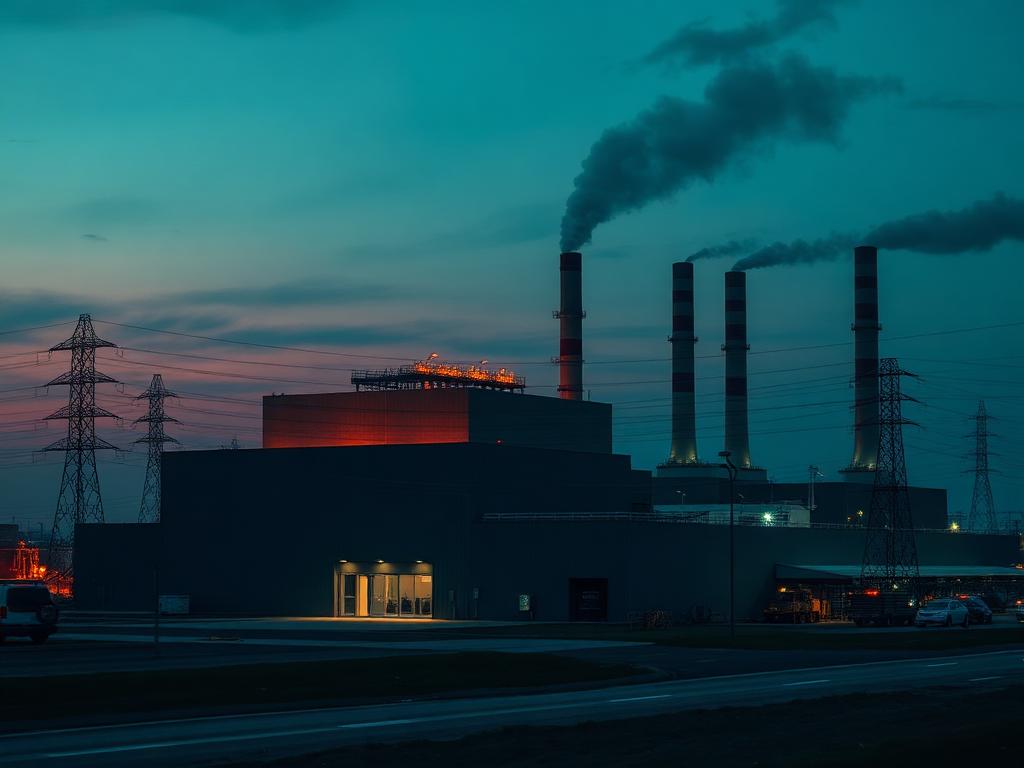
Solutions for the stack, the fence line and the audit room configured for how Ghana's plants actually run.


What this covers
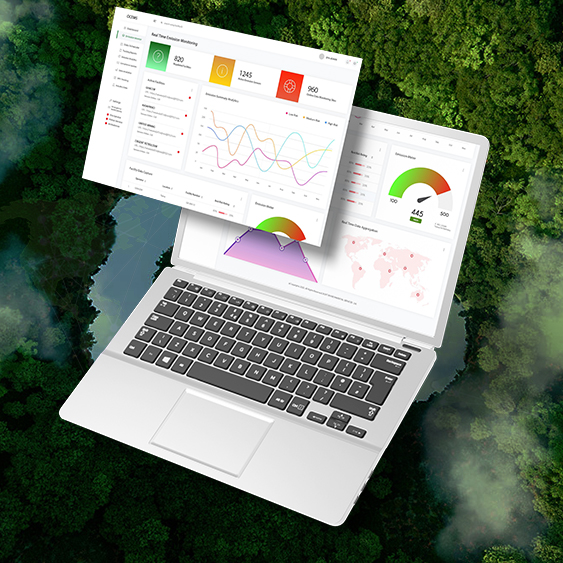
GOCEMS ingests readings from CEMS analyzers at the duct, applies the correct averaging period, and keeps one series for the shift dashboard and the signed report. Mass rates are derived from flow and concentration so a permit limit is a number you can defend.
- SO₂, NOₓ, CO, PM and opacity measured continuously
- Automatic averaging periods and normalisation
- Device health, calibration and availability tracking
- Mass emission rates derived from flow and concentration
Questions operators ask
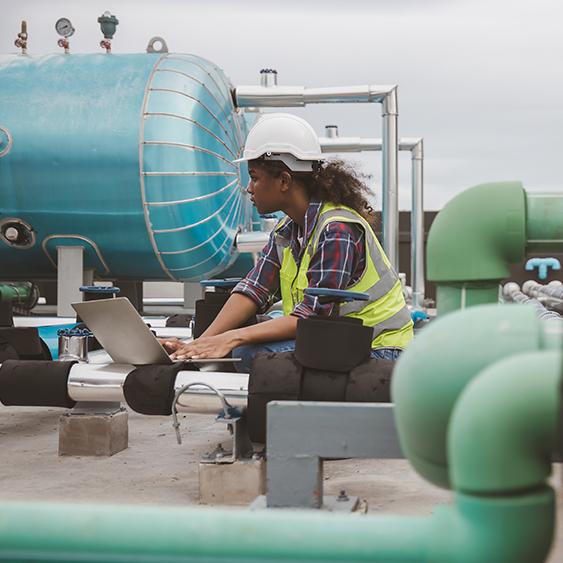
Plain answers on how GOCEMS works for plants, environmental teams and the EPA.
What is continuous emissions monitoring?
CEMS measures stack gases continuously rather than in a few scheduled tests a year. In GOCEMS, those readings are validated, averaged to the window the permit requires, and stored with instrument state so the record stands up in an audit.
Which stack parameters can GOCEMS take?
Typical air-emission series include SO₂, NOₓ, CO, particulate matter and opacity, plus derived mass emission rates when flow is available. The exact parameter set is configured per stack and permit.
How are averaging periods handled?
Averaging and normalisation are applied automatically against the rule that belongs to that stack and parameter. Operations and the signed report use the same window; they do not get to pick different hours.
Bring your own stacks, limits and reporting calendar.
A walkthrough maps your site onto GOCEMS: instruments, averaging periods, who gets the alert, and what the signed report looks like.