
Using opacity and dust readings to cut the water cost of mitigation
Continuous dust data lets suppression run against the reading, not a fixed spray schedule.
21 July 2026 · 5 min read · Dust
Fixed spray is expensive water
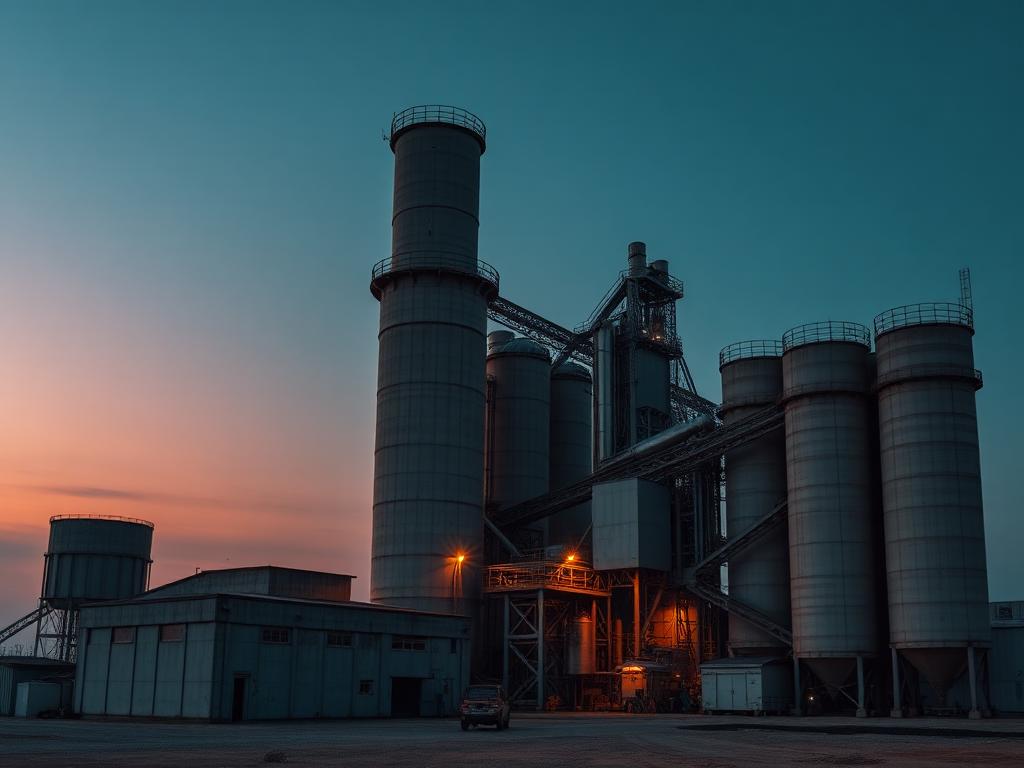
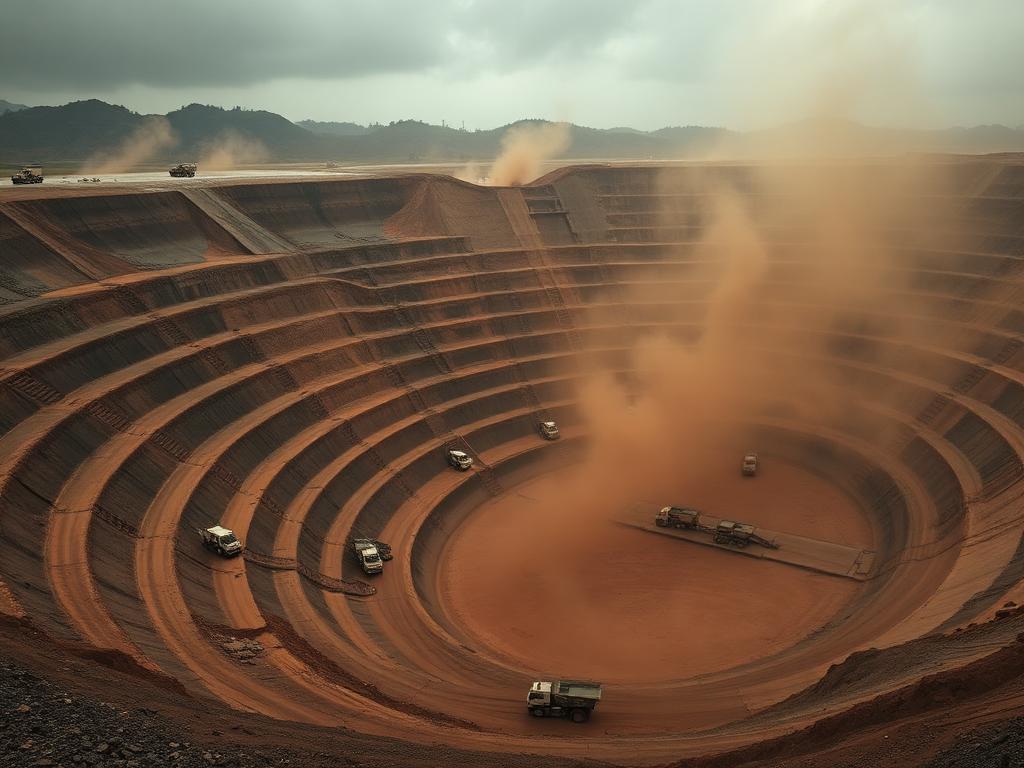
Haul roads, crushers, clinker coolers and bag-filter outlets throw dust on a schedule the plant does not actually keep. Many sites still answer with a fixed spray calendar: water on at shift change, whether the reading is rising or the wind has dropped. That wastes water in the dry season and still misses the hour the crusher actually ran.
Opacity at the stack and PM at the boundary are already the signals suppression should follow. Continuous monitoring makes them usable in time, not only in next month's report.
One picture of process dust and the fence line
Mining and cement sites in Ghana often keep process stacks and site-boundary dust in separate logs. A dryer or roasting circuit can look acceptable while the crusher and road are the reason the community is calling. GOCEMS puts stack CEMS and fence-line PM in one facility model so suppression, process and the EPA file refer to the same hour.
Bag-filter health belongs beside the emission series. When opacity starts to drift, the first question is whether the filter is the cause, not whether the annual test will still pass. Seeing that drift while the line is running is how water and maintenance get aimed at the actual source.
Run suppression against the average that counts
Permit limits attach to an averaging window. Suppression that reacts to a single noisy tick will over-water; suppression that ignores a rising half-hour average will under-protect the fence line. The operational rule should use the same validated average the signed report will later show.
That is the practical link between dust control and CEMS. GOCEMS is not a spray controller. It is the record that lets operations, EHS and contractors argue from one number: the PM or opacity average for that stack or station, with availability attached, so a gap is not treated as a reason to switch the water off.
What to ask for on a walkthrough
Map the dusty sources (coolers, crushers, roads, baghouse outlets) and the boundary stations that see them. Decide which series drives an alert, who receives it, and how the signed pack presents opacity, PM and availability together. A walkthrough with the Accra team is how those points are configured, rather than leaving suppression on a clock that does not know the plant.
Further reading
 Blog
BlogHow real-time stack data protects workers and communities at the same time
 Insight
Data availability: the metric behind every credible report
 Research
How weather and load forecasts change kiln, flare and blast management
 Blog
BlogManaging fence-line emissions near homes: trust, uptime and the signed record
Bring your own stacks, limits and reporting calendar.
A walkthrough maps your site onto GOCEMS: instruments, averaging periods, who gets the alert, and what the signed report looks like.